
How Long Do Brake Pads Last?
There’s no single number: pad life depends on the car, the pad material, how you drive and how much stop-and-go traffic you see. Instead of going by miles alone, have the pads measured and pay attention to the warning signs.
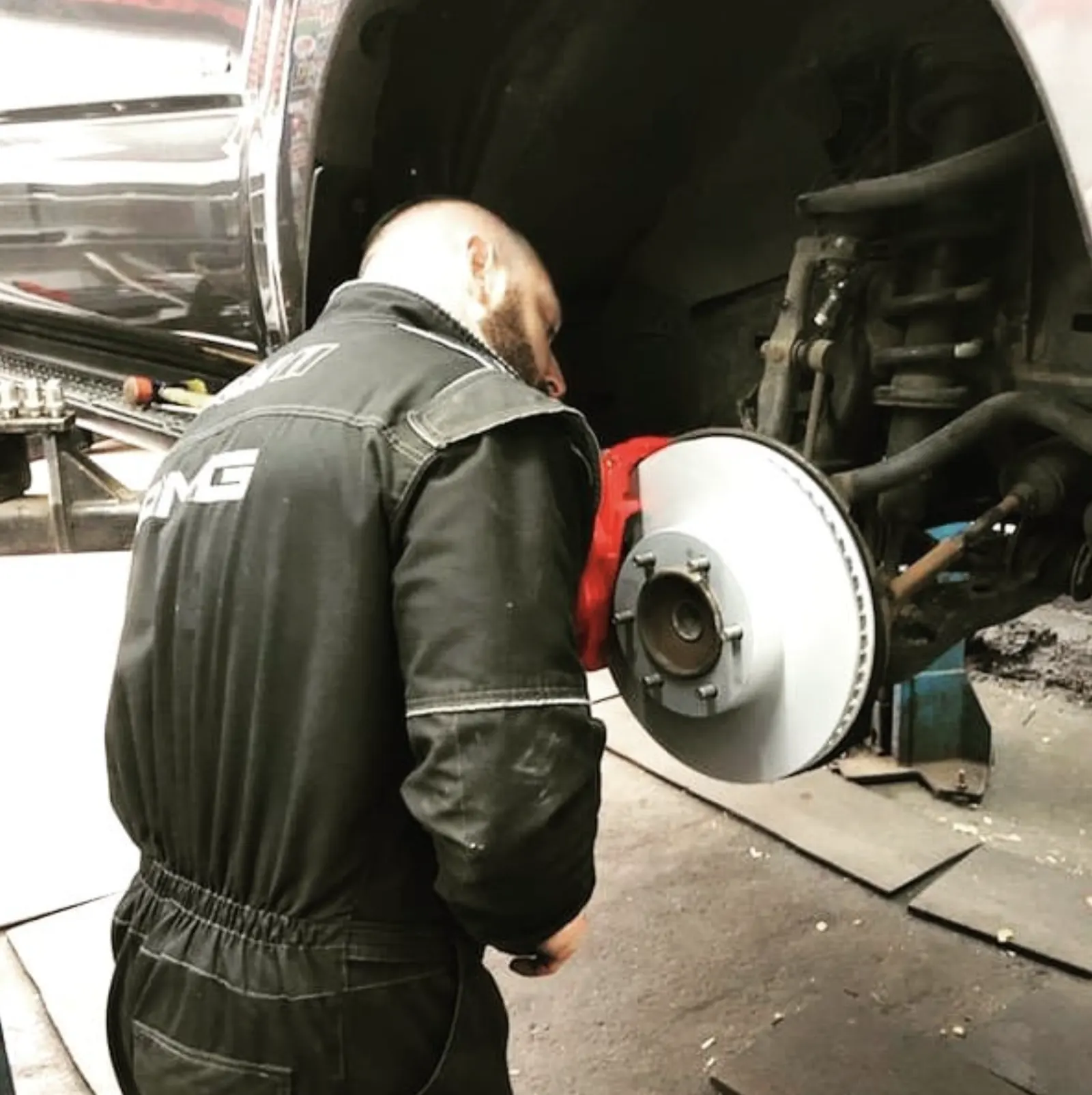
What Wears Pads Faster
City driving is the big one. Every stop uses the pads, so a car that lives in traffic wears them out faster than one that cruises on the highway. Heavier vehicles and spirited driving wear them faster too.
Front pads usually wear faster than rears, because the front brakes do most of the stopping. That’s why it’s common to need fronts while the rears still have plenty left. A good shop measures each axle instead of quoting all four by default.
Pad type matters as well. Different compounds trade off noise, dust, bite and wear. Your owner’s manual and the parts made for your car are the place to start.
Signs it’s time to check: a squeal when braking, a longer stop than you’re used to, a vibration in the pedal, or a brake warning light on cars with wear sensors. Grinding means you waited too long.
Make Your Pads Last Longer
Look farther ahead and coast to stops instead of braking late and hard. Lighter loads help too. On cars that sit a lot, a few normal drives a week keep rust from building up on the rotors and calipers.
When pads are replaced, the rest of the system matters: clean, lubricated slide pins and fresh hardware help the pads wear evenly. Uneven wear on one side is often a sticking caliper, and fixing that early saves the new pads. Brake fluid absorbs moisture over time as well, so ask when it was last changed and check your manual for the recommended schedule.
Now, Soon or Fine for Now
Measured pads usually land in one of these buckets:
Every car is different, which is why we inspect before we quote. See how we handle brake repair on our brake repair page.
Repair Report
- Now Front pads at minimum thickness
- Soon Rear pads about half worn
- Fine for now Rotors smooth and in spec
Example report. Yours lists what we actually find on your car.
Quick Answers
Do front and rear brake pads wear at the same rate?
Usually not. Fronts typically wear faster because they do more of the braking.
Can I tell pad wear myself?
Sometimes you can see the pad through the wheel, but measuring it properly means a closer look. Noises and pedal feel are your early warnings.
Do I need new rotors every time I replace pads?
Not always. If the rotors are in good condition and within spec, they can stay.
Does my car have a brake pad wear sensor?
Many cars do, especially European models, and they turn on a dash warning when pads get low. Others rely on a squealing wear indicator. Check your owner’s manual.
Want Us to Take a Look?
Price before we touch it. Nothing done without your OK.