
How Often Should You Change the Oil in an Older Car?
Start with the interval in your owner’s manual, and use the severe-service schedule if you do lots of short trips, stop-and-go driving or towing. Older engines can also burn or leak oil, so check the level between changes.
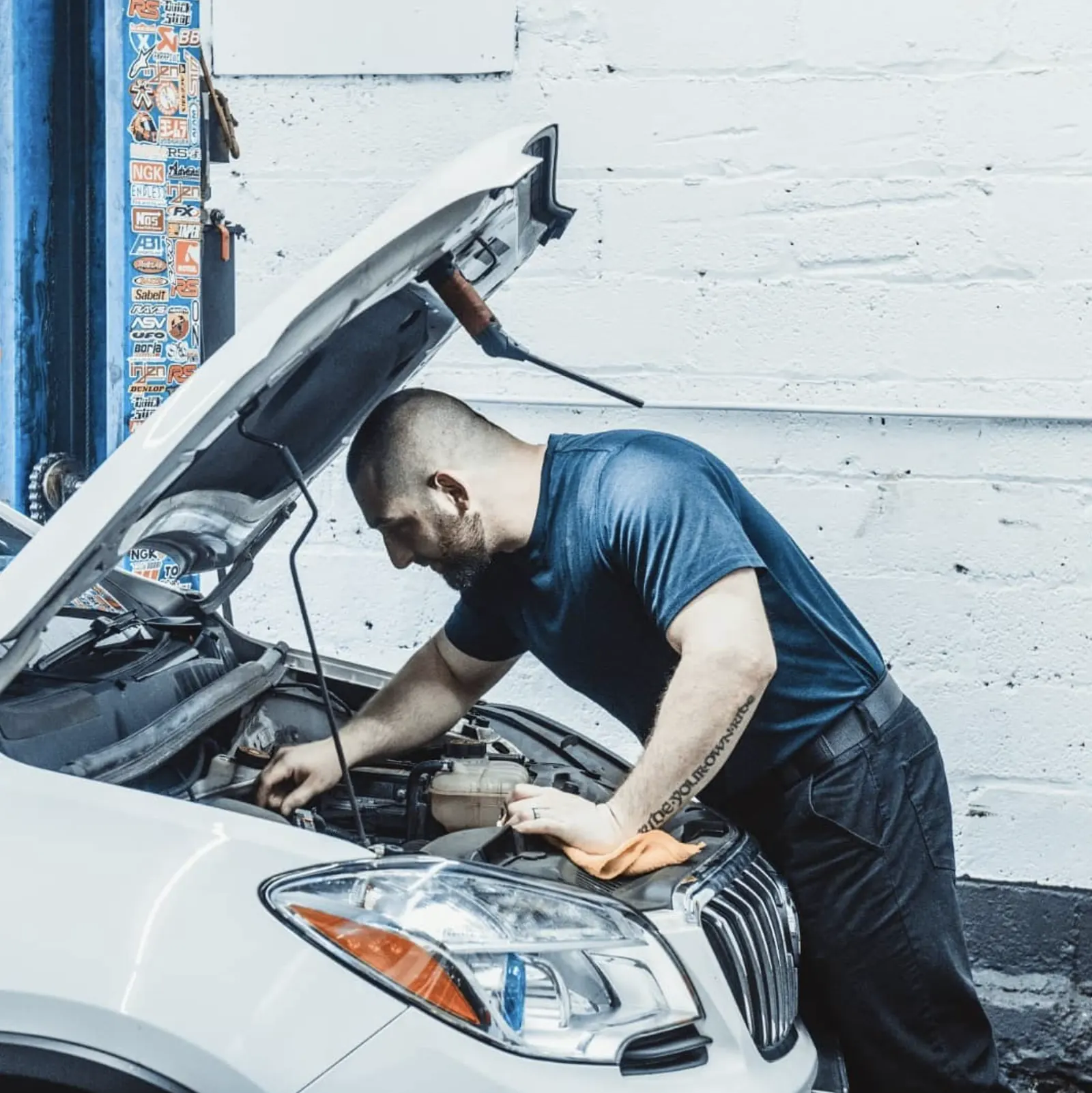
Why Older Cars Need a Little More Attention
The manual gives you two schedules on many cars: normal and severe. A lot of everyday driving actually counts as severe, like short trips where the engine never fully warms up, heavy traffic and hot summers.
As engines age, seals harden and piston rings wear. Some burn a little oil, some leak a little. Neither is a crisis, but it means the level can drop between changes. Pull the dipstick every few fill-ups.
Use the oil your engine calls for. Viscosity and spec matter, especially on European cars, which often require oil meeting a specific manufacturer approval.
An oil change is also the cheapest inspection your car gets. While it’s up, a good mechanic can spot leaks, worn belts and other things early, while they’re still small.
Watch the Dipstick, Not Just the Sticker
Windshield stickers and oil-life monitors are reminders, not inspections. On an older engine, checking the oil level yourself every few fill-ups catches a slow leak or rising consumption early, before it becomes a low-oil problem.
If the level drops noticeably between changes, or you see oil spots where you park, mention it at your next visit. A small leak is usually a gasket; finding it early keeps oil off belts and the exhaust. If the oil pressure light ever comes on while driving, pull over safely and shut the engine off. That one is a stop-now warning.
Now, Soon or Fine for Now
An oil change visit often turns up a list like this:
Every car is different, which is why we inspect before we quote. See how we handle oil change on our oil change page.
Repair Report
- Now Oil level low between changes
- Soon Valve cover gasket starting to seep
- Fine for now Belts and hoses look good
Example report. Yours lists what we actually find on your car.
Quick Answers
Should older cars use high-mileage oil?
It can help some engines with minor seepage. Check that it meets the spec in your owner’s manual.
Is it bad if my older car burns some oil?
A little consumption is common with age. Keep an eye on the level and have it checked if it increases.
What counts as severe driving?
Short trips, stop-and-go traffic, extreme heat or cold and towing are common examples. Your manual defines it for your car.
Is synthetic oil OK for an older car?
In many cases yes, as long as it meets the specification in your owner’s manual. Switching will not cause leaks by itself, though it can reveal seals that were already worn.
Want Us to Take a Look?
Price before we touch it. Nothing done without your OK.